East Dulwich man with van tips for Lordship Lane moves

Moving along Lordship Lane can be straightforward on paper and a bit of a headache in real life. Tight windows, busy pavements, awkward parking, top-floor flats, and the usual last-minute "where did I put the kettle?" moment all tend to show up at once. That's why practical East Dulwich man with van tips for Lordship Lane moves matter: they help you plan the job properly, choose the right vehicle, avoid rushed loading, and keep the move calm enough that you can actually breathe.
If you are shifting a flat, collecting furniture, or helping a small business move nearby, the right man with van service can save time and stress without overcomplicating things. In this guide, you'll get a clear, local-focused breakdown of how these moves work, what to prepare, what to avoid, and how to make a Lordship Lane relocation feel manageable rather than chaotic.
Why East Dulwich man with van tips for Lordship Lane moves Matters
Lordship Lane is one of those places where a move can look simple until the day itself arrives. It is busy, well-used, and full of the kind of everyday obstacles that slow moving jobs down: pedestrians, delivery vehicles, limited stopping space, and a steady stream of traffic that never quite seems to stop. To be fair, that's part of the charm of the area. It's also why a sloppy moving plan tends to unravel quickly.
Good local moving tips matter because they help you work with the street rather than against it. A short walk from van to front door can become a long one if the route is blocked by bins, bikes, or a bad parking decision. A room that looked "fairly light" when you first packed it can suddenly feel very different halfway down a narrow staircase. These are the little things that make or break the day.
For Lordship Lane moves, local knowledge is not just a nice extra. It affects timing, access, loading order, and even how many hands you really need. That's why a reliable man with van service is often the right fit: it gives you flexibility without committing to a full-size removal setup when you don't need one.
Expert summary: The best Lordship Lane moves are the ones planned around access, parking, and load order first, then around boxes and furniture second. Get those basics right and the rest usually falls into place.
How East Dulwich man with van tips for Lordship Lane moves Works
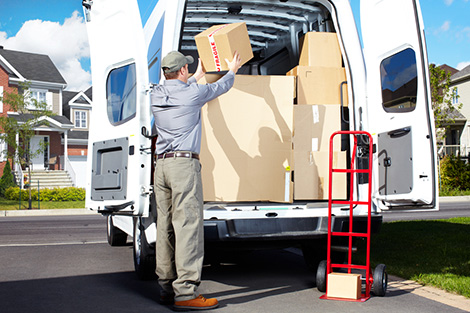
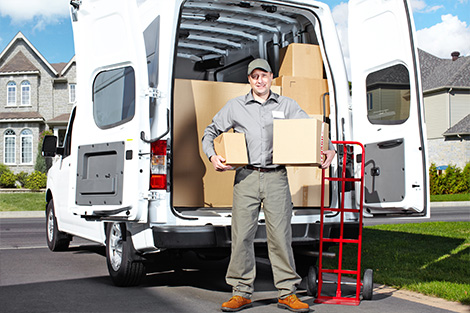
At its simplest, a man with van move means one or more people arrive with a suitable van, load your items safely, transport them, and unload at the destination. In practice, the service can be scaled up or down depending on what you're moving and how awkward the access is.
For a Lordship Lane job, the process usually starts before anyone gets near the van. You share details about the property type, access, number of items, stairs, and whether you need help with packing or heavy lifting. If the move involves a flat above a shop, a shared entrance, or an item that barely fits around a landing, those details matter more than most people realise. A proper mover will want the awkward bits upfront, not halfway through the job.
Once booked, the practical work tends to follow a simple pattern:
- Confirm the collection and delivery addresses.
- Check access, parking, and loading points.
- Prepare fragile, heavy, or irregular items.
- Load the van in a sensible sequence.
- Transport, unload, and place items where needed.
For larger domestic jobs, you may want to pair the move with home move support or, if the property is particularly tricky, a more structured option such as house removalists. If you are moving a small office or stock room instead, the same logic applies, but the equipment and planning need may shift toward commercial moves.
One thing people sometimes miss: man and van moves are not automatically "small". They are simply more adaptable. That makes them ideal for local runs, partial relocations, furniture pickups, student moves, or multi-drop jobs where a full removals lorry would be overkill.
Key Benefits and Practical Advantages
The obvious benefit is convenience, but there's a bit more to it than that. A good man with van setup gives you options. You can move a little or a lot, in stages or all at once, without paying for unnecessary capacity.
- Flexible load size: Useful when you don't have enough for a large removals crew, but too much for a car and borrowed goodwill.
- Local handling: Better suited to short East Dulwich journeys where speed and access matter more than long-haul logistics.
- Fewer moving parts: One booking, one vehicle, one plan. Simple is good.
- More control: You can prioritise fragile items, keep key boxes separate, and decide exactly what goes first.
- Cost efficiency: For many local moves, paying for a tailored service is more sensible than hiring a bigger operation.
There is also a practical emotional benefit, if that makes sense. A move is rarely just a logistics exercise. It's the sound of tape ripping at 7:30 in the morning, the half-packed hallway, the strange feeling of living among labelled boxes. A calm, well-run man with van service reduces that background stress. That counts for a lot.
If you are moving a sofa, table, mattress, or a one-off bulky item, you might also look at specialised help such as furniture pick-up or mattress and sofa disposal. The right option depends on whether you are relocating, donating, or clearing out.
Who This Is For and When It Makes Sense
Lordship Lane moves do not all look the same. Some people need help carrying a few bulky items. Others are moving a whole flat in one go. The service makes sense when you need transport plus muscle, but not the full scale of a traditional removals operation.
This type of move is often a good fit for:
- Flat and apartment moves within East Dulwich or nearby streets
- Students moving between rented rooms or shared houses
- People collecting second-hand furniture from private sellers
- Households doing partial moves, such as a bedroom, office, or storage clear-out
- Small businesses relocating stock, files, or lightweight equipment
- Anyone who wants a practical, pay-for-what-you-need option
It may be less suitable if you are moving a very large family home, have a long list of heavy specialist items, or need extensive dismantling and reassembly. In those cases, a more comprehensive approach may be better, especially if you need packing and unpacking services as well.
A useful rule of thumb: if your move is mainly about access, timing, and careful handling rather than sheer volume, a man with van service usually makes good sense. If it's about scale and layers of furniture, you may need to step up to a larger vehicle or a broader removals plan.
Step-by-Step Guidance
Here's the cleanest way to approach an East Dulwich move around Lordship Lane without turning it into a chaotic weekend project.
1. List everything you are moving
Don't rely on memory. Walk through each room and jot down the large items, awkward items, and anything fragile. A quick inventory helps you avoid underbooking a van. People often forget about mirrors, lamps, plants, printers, and the contents of a hallway cupboard. Those "small extras" add up fast.
2. Measure the awkward things
If a sofa, wardrobe, desk, or fridge has to turn corners or pass through a narrow landing, measure it. Measure the doorways too. There is nothing glamorous about discovering the item is 3 cm too wide after everyone is already standing in the hallway looking at it like a puzzle.
3. Confirm access and parking
Lordship Lane can be unforgiving if you assume you'll "just pull up outside". Check where the van can safely stop, how far the walk is from the property, and whether there are any time restrictions or loading constraints. If the route involves a busy pavement or shared entrance, allow more time than you think you need.
4. Pack with loading in mind
Heavy items should go into smaller, stronger boxes rather than oversized ones that collapse at the bottom. Label fragile boxes clearly and keep essential items together in a separate bag or box. Think: chargers, medication, documents, snacks, kettle stuff. You know, the things that make your first night bearable.
5. Decide what needs special handling
Appliances, mattresses, sofas, and bulky waste are often best handled separately or with the right disposal support. If you're clearing out old items, consider whether fridge and appliance removal or recycling and sustainability guidance is more appropriate than simply loading everything onto the van.
6. Load in the right order
In most moves, the heaviest and most stable items go in first, with lighter boxes layered around them. Fragile items are secured so they don't slide. The point is to build a load that stays put when the van turns, brakes, or hits a rough patch of road. Simple, but easy to get wrong.
7. Unload with a plan
At the other end, have a basic idea of where major items should go. Even if you're not unpacking everything the same day, direct items into the right rooms. It saves double handling, which is always more tiring than it sounds.
Expert Tips for Better Results
Small decisions make a big difference on Lordship Lane. A few practical habits can turn a decent move into a smooth one.
- Book a little earlier than you think: Local slots can fill up quickly, especially around weekends and month-end.
- Build a "first hour" box: Put the things you need immediately at the new place in one clearly marked box.
- Keep stairwells clear: It sounds obvious, but shoes, laundry baskets, and random bits of packaging become trip hazards fast.
- Protect corners and surfaces: A blanket or furniture wrap can prevent scuffs on door frames and painted walls.
- Use smaller boxes for books: Book boxes get heavy very quickly. Your back will not thank you later.
- Tell the mover about unusual items: Bikes, large mirrors, filing cabinets, plants, or fragile art all need a mention.
There's also value in being realistic. If you have a lot of heavy lifting and no lift in the building, say so. If parking is awkward, say so. A good mover can work with difficult access; they just need the truth early. Much better than a surprise on the day, frankly.
If you are unsure whether you need a van-only job or something more complete, it can help to compare the service style against man and van support and more vehicle-led options such as moving truck or removal truck hire. Different jobs need different kit, and that's normal.
Common Mistakes to Avoid
Most moving problems come from preventable things rather than dramatic disasters. The van rarely is the issue. It's the planning around it.
- Booking too little time: A move that looks quick on a spreadsheet can slow down when stairs, traffic, and wrapping time are added.
- Underestimating bulky items: One wardrobe can affect the whole load plan.
- Packing loose heavy items: A box full of books or kitchenware with no structure can split at the base.
- Ignoring access restrictions: Narrow roads, parking pressure, and walk distances all matter.
- Leaving dismantling too late: Bed frames and large desks are easier to deal with before moving day, not during it.
- Not separating essentials: The first-night items should not disappear into a van under seven layers of other boxes.
One more thing people often forget: if you are disposing of clutter at the same time as moving, don't mix everything together without thinking it through. Some items may need dedicated disposal or specialist handling. The wrong approach can create extra work. Or worse, a van full of stuff you never meant to take.
Tools, Resources and Recommendations
You do not need a mountain of gear to move well, but a few simple tools make a real difference. Most of them are ordinary things that happen to be very useful on moving day.
- Strong boxes: Prefer uniform, stackable boxes where possible.
- Packing tape and dispenser: Saves time and reduces the "where did the tape go?" dance.
- Labels or marker pens: Clear labels are worth their weight in tea.
- Blankets and covers: Good for protecting wood, glass, and painted finishes.
- Trolley or sack truck: Helpful for heavier items, especially if there are stairs or a longer walk from the van.
- Zip bags for screws and fittings: Tape them to the furniture they belong to. A small thing, a big relief later.
It's also worth checking the service pages that match your move type before you book. For household relocations, home moves and house removalists are a useful fit. For business moves, office relocation services and commercial moves can help you think through equipment, files, and downtime.
If you are clearing old items instead of moving them, you may also want to look at mattress and sofa disposal or furniture pick-up, depending on whether the item is being reused, removed, or recycled.
Law, Compliance, Standards, or Best Practice
For most domestic moves, the main compliance concerns are common sense and care rather than complicated paperwork. Still, there are a few best-practice points worth respecting.
First, parking and loading should be done responsibly. If a van is stopping on a busy street, the mover should do everything practical to avoid blocking access or creating a hazard. On a place like Lordship Lane, that matters because footfall can be constant. A sensible operator will keep an eye on pedestrian flow, protect property, and move with care.
Second, insurance and safety should never be treated as an afterthought. A trustworthy provider should be clear about how items are handled, how damage risks are reduced, and what happens if something unexpected occurs. If you want more detail on that side of things, the site's insurance and safety information and health and safety policy are useful reference points.
Third, waste and disposal need care. If you are throwing items away, especially anything electrical, heavy, or potentially problematic, it's best to separate those from your moving load. For unusual or risky items, use the appropriate service. For example, hazardous waste disposal exists for materials that should not simply be bundled into a standard move.
Finally, payment and booking terms should be clear before the job starts. That helps avoid misunderstandings about timing, waiting, cancellation, or extra labour. A good service should have straightforward terms and a sensible checkout process, backed by payment and security guidance and transparent pricing and quotes.
Options, Methods, or Comparison Table
If you're weighing up the best approach for a Lordship Lane move, this comparison should help. It is not about declaring one option "best" for everyone. It's about fit.
| Option | Best for | Strengths | Watch-outs |
|---|---|---|---|
| Man with van | Local flats, partial moves, furniture runs | Flexible, practical, often cost-effective | May not suit large households or heavy specialist loads |
| Home move service | Full domestic relocations | Better for more belongings and structured moving days | Can be more than you need for smaller jobs |
| Commercial move service | Offices, studios, stock, records | Useful for organised business relocations | Needs clearer planning and often tighter timings |
| Removal truck hire | Bulkier or heavier transport needs | Greater carrying capacity | Can be unnecessary for small local moves |
For a typical Lordship Lane flat move, the man with van route often hits the sweet spot. For a larger family move or a business relocation with more furniture, a bigger setup is usually safer and less stressful. Simple as that.
Case Study or Real-World Example
Here's a realistic example from the kind of move people do all the time around East Dulwich.
A couple moving from a second-floor flat near Lordship Lane had a bed frame, a sofa, three book-heavy boxes, a dining table, six kitchen boxes, and a few awkward extras: a tall lamp, a mirror, and a plant that had somehow become "too precious to risk". They thought it would take about an hour. It didn't. Not quite.
The move went smoothly because they did a few things right. They measured the sofa before the day, separated fragile items, kept screws and fittings in labelled bags, and told the mover in advance that parking outside the building was limited. That last bit mattered. It meant the van was positioned sensibly, the loading order was planned, and no one had to improvise while holding a mattress at an awkward angle in the rain. Which, let's face it, is a tiny victory in itself.
The result was not magical. It was simply well organised. The couple still had boxes to unpack and a kettle to find, but the move itself felt controlled rather than frantic. And that is usually the real goal, isn't it?
Practical Checklist
Use this checklist the day before your Lordship Lane move. It keeps things grounded when the rest of the day feels a bit messy.
- Confirm the booking time and addresses.
- Check parking, access, and stair details.
- Finish packing loose items and label every box.
- Set aside essentials for the first 24 hours.
- Disassemble bulky furniture if needed.
- Protect mirrors, screens, and fragile pieces.
- Separate items for disposal from items for moving.
- Keep keys, documents, phones, and chargers in one easy-to-reach bag.
- Walk the route from property to van and clear obstacles where possible.
- Have water, snacks, and basic cleaning items ready.
Quick takeaway: if it can be labelled, measured, protected, or separated ahead of time, do it. Those four actions solve more moving problems than most people expect.
Book with confidence, compare your options properly, and keep the move simple where you can. If you're planning a Lordship Lane relocation and want a straightforward next step, book online when you're ready.
Get a free quote today and see how much you can save.
Conclusion
East Dulwich man with van tips for Lordship Lane moves come down to a few practical truths: plan for access, pack with the load in mind, be honest about awkward items, and choose the level of service that fits the job rather than the one that sounds grandest. Most moving stress is avoidable. Not all of it, sure, but a good chunk of it.
Lordship Lane moves are easier when you respect the street, respect the staircase, and give the van enough space to do its work. Keep the plan clear and the day becomes a lot less dramatic. Not silent, exactly. Just manageable. And that's a good place to be.
Frequently Asked Questions
What is the best time of day for a Lordship Lane move?
Earlier slots are often easier because the area tends to get busier as the day goes on. Morning moves can also give you more breathing room if anything takes longer than expected.
How do I know if I need a man with van or a bigger removals vehicle?
If you are moving a modest amount of furniture, boxes, or a partial load, a man with van is usually enough. If you have a larger household, lots of heavy furniture, or multiple rooms to clear, a bigger vehicle or fuller removals service may be a better fit.
Can a man with van help with stairs and heavy lifting?
Often, yes, but you should confirm that in advance. Stairs, long walks, and very heavy items all affect how the job is priced and how many people should attend.
Do I need to dismantle furniture before the move?
Not everything, but larger items such as bed frames, wardrobes, and some desks are often easier to move when taken apart. That reduces damage risk and makes loading simpler.
What should I pack separately for moving day?
Keep essentials separate: chargers, medication, toiletries, keys, documents, snacks, and a change of clothes. A kettle and mugs usually make the first evening feel better too. Small comforts matter.
How can I avoid damaging furniture or walls on Lordship Lane moves?
Use blankets, covers, and proper packing materials. Measure awkward items, clear the route, and avoid rushing corners or stairwells. Most scuffs happen when people try to hurry one last item through too quickly.
Is a man with van suitable for same-day furniture collection?
Yes, it often is. That's one of the most useful reasons people book this type of service, especially for local furniture pickups, marketplace collections, or single bulky items.
What if I also need to get rid of old furniture?
You may want a separate disposal or pick-up service for unwanted items. Depending on what you're clearing, furniture pick-up, mattress and sofa disposal, or another appropriate option may be more suitable than loading everything into the move.
How far in advance should I book a move in East Dulwich?
As early as you can, especially around weekends or month-end. Local moving slots can fill fast, and more notice usually gives you a better chance of getting the timing you want.
What information should I give when requesting a quote?
Share the collection and delivery addresses, access details, number of items, any stairs, parking issues, and whether you need help with packing or loading. The clearer you are, the more accurate the quote is likely to be.
Are there special rules for appliances or hazardous items?
Yes, those items need more care. Appliances may need separate handling, and hazardous materials should never be treated like ordinary household clutter. If in doubt, ask about the right disposal route rather than guessing.
Can I combine a house move with packing services?
Absolutely. If your move feels too large to manage alone, adding packing and unpacking services can take a lot of pressure off the day and help keep everything organised.