West Dulwich removals near North Dulwich station times: a practical local guide
If you are planning West Dulwich removals near North Dulwich station times, you are probably trying to solve two things at once: getting the move done smoothly and avoiding the little bottlenecks that can make a straightforward job feel oddly stressful. Station traffic, parking pressure, school runs, narrow residential roads, and the timing of lifts, keys, and loading windows all matter more than people expect. Truth be told, the difference between a calm move and a chaotic one is often timing, not strength.
This guide walks you through how to plan a removals job in West Dulwich with North Dulwich station in mind, what time slots usually work best, how to avoid common delays, and how to choose the right moving setup for the size of your move. You will also find a checklist, a realistic example, and a few plain-English tips that can save a lot of faff on moving day.
Why West Dulwich removals near North Dulwich station times Matters
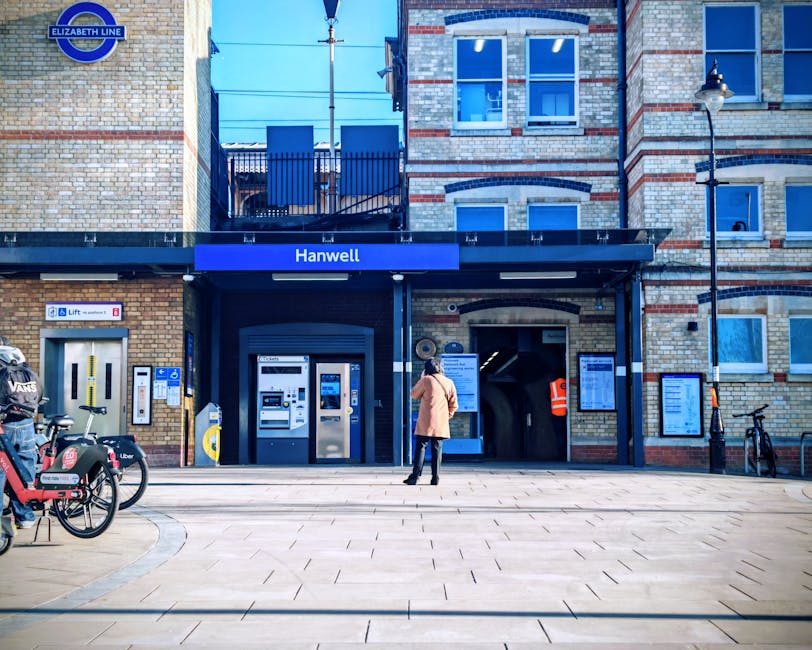
Station-adjacent removals are a bit different from a regular home move. Near North Dulwich station, timing affects where the van can stop, how long loading takes, and whether you can keep the job moving without repeatedly shifting the vehicle. If you arrive at the wrong moment, you may find buses, commuters, local deliveries, and school traffic all competing for the same patch of road. That is when a ten-minute unload becomes a forty-minute shuffle.
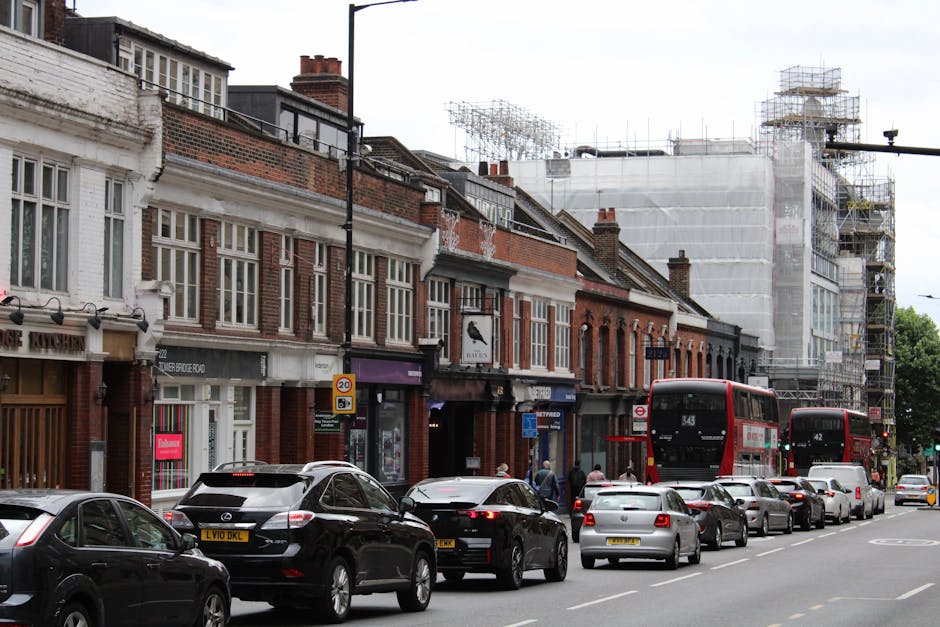
West Dulwich itself is residential and full of homes where access can be tight, especially around peak travel periods. So the real question is not just can the move be done, but when does it make sense to do it? A smart schedule can reduce walking distance from the van, lower stress for everyone involved, and keep fragile items safer because they spend less time being carried, rested, and re-lifted.
There is also the human side of it. If you are moving out of a flat or a family house near the station, you may be coordinating cleaners, keys, final meter readings, children, or a landlord's strict handover time. Small delays feel bigger on moving day. They just do.
That is why many people search for station-specific removals timing in the first place. They are not really asking about the station itself; they are asking how to make the whole day work in a busy local setting.
How West Dulwich removals near North Dulwich station times Works
In practical terms, a move near North Dulwich station works best when you treat timing as part of the access plan, not just the calendar plan. The main pieces are simple: when the crew arrives, where the vehicle can wait, how long the loading phase will take, and whether the route in and out of the area is likely to be busy.
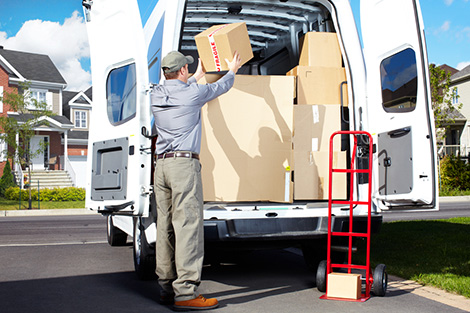
A small move using a man and van service may be flexible enough to fit into a narrow time window. A larger household move may need a more structured booking, especially if you are using home moves support or arranging a bigger vehicle through removal truck hire. The right choice depends on volume, access, and how quickly the items can be loaded.
Usually, the job begins with a survey of what is being moved and how access works at both ends. For many local moves, the most useful thing is a simple conversation about timing: can the van arrive before the busiest road periods, is there space to pause briefly, and are there any stairs, long walk-outs, or awkward doors? These details sound small. They are not small.
For office or commercial moves, timing becomes even more important because there may be handover deadlines, staff travel, and building access rules to respect. In those cases, services such as commercial moves or office relocation services are often planned outside the most congested hours, with a tighter loading schedule and clearer responsibility split.
If packing support is included, then packing and unpacking services can also change the timing picture, because careful packing reduces delays on moving day and makes stacking the vehicle much easier. Less stopping, fewer last-minute decisions. That helps more than people realise.
Key Benefits and Practical Advantages
Good timing near North Dulwich station is not just about convenience. It changes the quality of the whole move.
- Less waiting around: If the van arrives at a quieter moment, loading begins sooner and the job tends to flow better.
- Safer handling: Fewer interruptions mean fewer chances to drop, scratch, or misplace items.
- Better parking and access: In a busy residential area, a well-chosen time slot can make the difference between a clean stop and a frustrating double-park situation.
- Lower disruption to neighbours: Early planning helps reduce noise and repeated vehicle movement outside homes and flats.
- More reliable handovers: Timed properly, you are less likely to miss key collection windows or fall behind on a completion schedule.
Another practical advantage is emotional. A well-timed move feels more manageable. You are not watching the clock every minute. You are not apologising to the people on the pavement. You are simply getting on with it. That sounds small, but it changes the day.
For customers comparing options, the ability to book the right sized vehicle matters too. A move with a few large furniture pieces may be fine with a moving truck, while someone clearing a single property may prefer a lighter setup and a direct route. And for mixed loads, a clear discussion about what is going and what is not can help avoid surprises later.
Who This Is For and When It Makes Sense
This kind of timing-focused removals planning makes sense for a few different people.
Home movers. If you are moving between flats, terraces, or family homes around West Dulwich, timing matters because access is rarely effortless. Narrow streets, parked cars, and set handover times can all affect how long the job takes.
Landlords and tenants. End-of-tenancy moves are often tied to cleaning slots, inventory checks, and key returns. If the van is late, the whole handover can feel rushed.
Small business owners. A shop or office move near the station needs careful scheduling so staff, customers, or deliveries are not caught in the middle.
People clearing bulky items. If you are booking a furniture collection or a disposal run, time matters because the pickup itself may be quick, but only if the vehicle can park sensibly and access is ready. In that setting, a furniture pick-up or a dedicated disposal service can save a lot of hassle.
Anyone with large or awkward items. Fridges, mattresses, sofas, and similar items slow down a move unless they are planned properly. If those pieces are part of the load, services such as fridge and appliance removal or mattress and sofa disposal may be worth considering.
In short, if your move includes a time constraint, a busy road, a station nearby, or a strict handover, this topic is for you. If not, it still helps. A little structure never hurts, does it?
Step-by-Step Guidance
Here is a straightforward way to plan the move so the times work in your favour.
- Confirm the move window early. Check the key collection or access time first, then work backwards from there. Do not build the van booking before you know the handover deadline.
- Estimate the load honestly. Count large furniture, boxes, appliances, and anything awkward. Underestimating is one of the classic moving-day headaches.
- Check access at both ends. Note stairs, lifts, long hallways, tight corners, and anywhere the vehicle may need to wait. A minute spent here saves ten later.
- Choose the right service level. A small local job might suit a flexible man with van setup, while a full property move may be better handled through house removalists.
- Pack by priority. Keep essentials, fragile items, and documents separate. The first box you need should not be hiding under three lamps and a pile of cushions.
- Plan the loading order. Heavy furniture should go in first, with breakables secured after that. If the crew knows what is going where, the process is much smoother.
- Build in a small buffer. Delays happen. Keys run late, traffic appears, someone cannot find the lift fob. A buffer makes the day feel less brittle.
- Confirm final details the day before. Recheck address, contact number, access notes, and vehicle timing. It sounds repetitive. It is worth it.
If you want a simple next step, use the site's pricing and quotes page to start framing your budget and compare what level of service fits the job. Then move into book online once the timing and access details are clear.
Expert Tips for Better Results
After enough moves, a pattern becomes obvious: the jobs that go well usually had one thing in common. Someone made decisions early.
Book around local quiet periods where possible. The area around a station tends to have a rhythm. You do not need to know every traffic pattern by heart, but you do want to avoid obvious pressure points like school drop-off, commuter peaks, and late afternoon congestion. If you can start earlier, often you should.
Keep the first load ready by the door. A neat staging area cuts the number of back-and-forth trips. That is especially useful when access is tight or the van cannot stay parked for long.
Label tricky items clearly. If one box contains chargers, keys, or paperwork, mark it plainly. That saves annoying rummaging later. No one wants to open six boxes just to find the kettle lead.
Separate disposal items from moving items. If you are also getting rid of unwanted pieces, make that distinction early so nothing important is accidentally taken away. For larger clear-outs, the site's recycling and sustainability information can help frame better disposal choices.
Tell the crew about awkward access. A steep step, a narrow gate, or a small parking restriction is not a problem if everyone knows in advance. It becomes a problem if the van arrives and nobody mentions it until the sofa is halfway out the door. That is where the groans begin.
Use insurance-aware thinking. Ask how fragile items will be handled and what protections are in place. The site's insurance and safety information is worth reviewing before moving day, especially if you are transporting high-value or hard-to-replace belongings.
Keep communication simple. One phone number, one clear meeting point, one person responsible for decisions. The more fragmented the instructions, the slower the move becomes.
Expert summary: For station-area removals, the best time is usually the time that gives you the cleanest access, the fewest interruptions, and the clearest handover. Not necessarily the earliest slot on paper, but the one that fits the real street outside your door.
Common Mistakes to Avoid
Most problems around West Dulwich removals near North Dulwich station times are avoidable. That is the good news. The awkward part is that they are usually avoidable in quite ordinary ways.
- Assuming parking will be easy. It rarely is, especially if you have not checked the exact street and time of day.
- Booking too tightly. If the handover is at noon and the van arrives at noon, you have no breathing room at all.
- Not separating unwanted items early. This leads to confusion, wasted space, and sometimes accidental disposal of something you meant to keep.
- Underpacking or overpacking boxes. Both create problems. One makes them fall apart; the other makes them miserable to carry.
- Forgetting appliance or bulky-item handling. A fridge or sofa needs more planning than a stack of books.
- Leaving keys, documents, or chargers in the wrong box. It always seems fine until it is not. Then it is a minor crisis at 7:40 in the morning.
There is also the habit of treating a move like a normal errand. It is not. It is more like a mini project with several moving parts. If you give it that level of respect, it tends to behave better. Usually.
Tools, Resources and Recommendations
You do not need a mountain of tools to organise a local move, but a few practical resources help a lot.
- Simple room-by-room inventory: A basic list of furniture, boxes, and awkward items stops last-minute omissions.
- Measurements for large items: Doorways, stair widths, and the larger furniture dimensions are often more useful than people expect.
- Packing materials: Sturdy boxes, tape, blankets, and labels reduce damage and confusion.
- Arrival notes: Write down floor level, entry code, and the best place for the vehicle to pause.
- Disposal plan: If you have unwanted items, decide whether they are being moved, collected, or disposed of before the truck turns up.
If your move includes items you do not want to carry into the new place, you may also want to look at confidential shredding for sensitive paperwork, or use the site's guidance on what can go in a skip to understand what should be separated from the main load. Those pages are handy when a move becomes a clear-out as well.
For customers who prefer the practical route, it is often worth asking whether a standard move, a removal truck, or a lighter vehicle makes the most sense. There is no prize for overbooking. Just more empty space in the van and a higher bill, which nobody enjoys.
Law, Compliance, Standards, or Best Practice
For removals in London, the main compliance concerns are usually practical rather than complicated. You want to make sure vehicles are parked lawfully, items are handled safely, and any waste or disposal is dealt with responsibly. If an item is being removed rather than moved, it should be treated as waste only where that is actually intended, and it should be disposed of appropriately.
Good practice also means protecting the people involved in the move. That includes using safe lifting methods, avoiding blocked exits, keeping pathways clear, and not overloading the vehicle. These are common-sense points, but they matter. A cramped hallway and a heavy wardrobe are not the place for heroics.
If you are moving appliances, mattresses, or other bulky goods, it helps to use a provider that is clear about disposal, transport safety, and responsible handling. That is one reason people look for services with clear policies such as health and safety policy and payment and security information. It builds trust, and rightly so.
For commercial customers, there may also be internal building rules, access windows, or facilities management requirements to follow. Those are not just red tape. They are the difference between a tidy move and a day full of interruptions.
Options, Methods, or Comparison Table
Choosing the right method depends on how much you are moving, how tight the timing is, and how awkward the access may be near North Dulwich station. Here is a simple comparison.
| Option | Best for | Strengths | Watch-outs |
|---|---|---|---|
| Man and van | Small to medium local moves | Flexible, practical, often quicker to book | May need more than one trip if the load is larger than expected |
| Home moves service | Full household relocations | Better for structured packing, loading, and timing | Requires more planning and a clearer schedule |
| Removal truck hire | Bulky or larger-volume moves | More space, fewer trips, better for furniture-heavy loads | Parking and access planning become more important |
| Commercial moves | Offices, studios, small business relocations | Can be organised around business hours and handover deadlines | May involve building access rules and tighter coordination |
If you are still deciding, think about the real-world load first. Not the idealised one. The actual one with the coat rack, the three lamps, the box of cables, and the armchair you forgot was heavier than a small sofa. That's the one that counts.
Case Study or Real-World Example
Here is a typical local scenario. A couple moving from a first-floor flat in West Dulwich had a completion time set for mid-morning and needed the van to arrive close to handover, but not so close that they would be waiting on the pavement with bags and boxes. The road near the station was busy enough that parking flexibility mattered. The job included a sofa, a bed frame, several boxes, and a fridge they did not want to take to the new place.
What made the move work was not luck. It was sequencing.
They packed essentials separately the night before, cleared the hallway, confirmed the loading point, and arranged for the bulky appliance to be dealt with in advance. That meant the move crew could start loading immediately rather than asking questions while everyone stood around in coats. The timing around the station was still a factor, but it stopped being a problem because the job had already been set up to handle it.
The same logic applies to most local moves. If the access is tight, you do not try to fight it. You plan around it. A little boring, maybe. But effective. Very effective.
Practical Checklist
Use this quick checklist before moving day:
- Confirm the exact move window and key handover time.
- Check parking and access near both properties.
- Measure large items and note awkward stairs or doorways.
- Separate keep, move, and dispose piles early.
- Label boxes by room and priority.
- Set aside documents, chargers, medication, and essentials.
- Tell the mover about any fragile, heavy, or unusually shaped items.
- Review the relevant service pages for packing, disposal, and safety.
- Keep one contact person available on the day.
- Build in a small time buffer, because something usually shifts a bit.
That last point matters more than people think. A ten-minute cushion can save a whole mood.
Conclusion
West Dulwich removals near North Dulwich station times come down to one practical idea: timing and access shape the move as much as the number of boxes does. If you plan around station traffic, prepare your load properly, and choose the right service for the size of the job, the day becomes much easier to manage.
Whether you are moving home, clearing furniture, relocating an office, or just trying to avoid the usual moving-day scramble, the best outcome comes from simple preparation done well. Nothing flashy. Just steady, sensible planning.
If you are comparing options, reviewing the details early can save both time and stress. And if you want a move that feels a bit more under control from the start, that is the place to begin.
Get a free quote today and see how much you can save.
Some moves are never totally effortless, but they can absolutely be calm enough. That's the aim, really.
Frequently Asked Questions
What is the best time for removals near North Dulwich station?
The best time is usually outside obvious commuter and school-run pressure, with enough buffer for parking, access, and key handover. Early planning matters more than chasing a perfect hour.
How far in advance should I book a West Dulwich removals job?
As early as you can, especially if your move depends on a specific completion time or a busy local street. A little notice gives you more choice on vehicle size and timing.
Is a man and van enough for a flat move in West Dulwich?
Often yes, if the property is small or the load is modest. For a larger flat or a move with heavier furniture, you may need a bigger vehicle or a fuller removal setup.
How do I avoid delays on moving day?
Have everything packed, labelled, and ready before the crew arrives. Clear the hallway, confirm access, and keep essentials separate so nobody is hunting for items at the last minute.
Do station-area moves need special parking planning?
Usually they do. Even if the road looks manageable at a glance, timing can change everything. It helps to think about where the vehicle will stop, not just where it will drive.
Can I move appliances and furniture together?
Yes, but it is better to flag appliances in advance because they may need extra care or separate disposal planning. Heavy mixed loads are much easier when the mover knows what is coming.
What if I also need to get rid of old items?
Separate moving items from disposal items as early as possible. Services for furniture collection, appliance removal, or mattress disposal can help keep the main move cleaner and faster.
How do I know what size vehicle I need?
The best way is to list the actual items you are moving, especially the large ones. Beds, sofas, wardrobes, and appliances are the key pieces that determine space more than boxes do.
Are packing services worth it for a local move?
They can be, especially if you are short on time or have fragile items. Professional packing often speeds up loading and makes the whole day feel less frantic.
What should I check before I confirm the booking?
Check your exact move time, access notes, vehicle size, and any special items such as fridges, sofas, or confidential paperwork. It is also wise to review pricing, security, and safety details before you commit.
Can timing affect the final cost of a removal?
Yes, indirectly. If access is poor or the schedule is tight, the job may take longer or require a different vehicle size. Good timing can help keep the move more efficient.
Where can I learn more about the company before booking?
You can read the about us page to get a better feel for the service approach, or check the policies and service pages that matter to your move. It is always worth taking a minute.